
Disc Golf Disc Finder
Use this free disc golf finder to identify a disc role for your next shot. Answer six questions about your game, then test the suggested role with discs you know.
Your recommendations will appear here.
Guidance is based on disc slots, not guaranteed performance. Use the result as a starting point and test throws when possible.
How the Disc Golf Disc Finder works
The Disc Finder narrows a missing disc role from six inputs. It does not rank every mold or promise that a recommended slot will fly the same for every player.
Choose skill level, controlled fairway distance, throwing style, and the miss that appears most often.
Select the desired line and common course type so the result solves a specific scoring problem instead of adding another overlapping disc.
Compare the role with a familiar disc, compare the typical landing zones, and keep it only when it creates a repeatable new shape.
Example Disc Finder result
Example input: recreational player, 200–275-foot controlled fairway, backhand, early hyzer miss, straight shot, wooded course.
Example decision: compare a controllable neutral-to-understable fairway against the current midrange. If the driver only fades into the same landing zone, stay with the slower disc. This example explains the decision process; live results vary with the answers selected.
When to use Disc Finder
- Choose a first controllable driver.
- Compare a hyzer-flip or turnover slot.
- Find a safer wind role.
- Separate forehand touch and power.
- Check whether an overstable approach role is distinct.
Featured DiscFunktional Apparel
Find a new favorite below, or explore the full collection. Choose your size and color on the product page. Shipping is calculated at checkout.
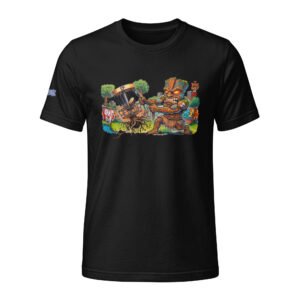 First Run Tee
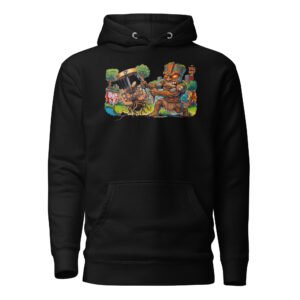 First Run Hoodie
 Women's DiscFunktional Tank Top
 Disc Golf Or Die Socks
Learn the disc role before you add it
Use these guides to understand the recommendation, its limits, and a field test you can run.